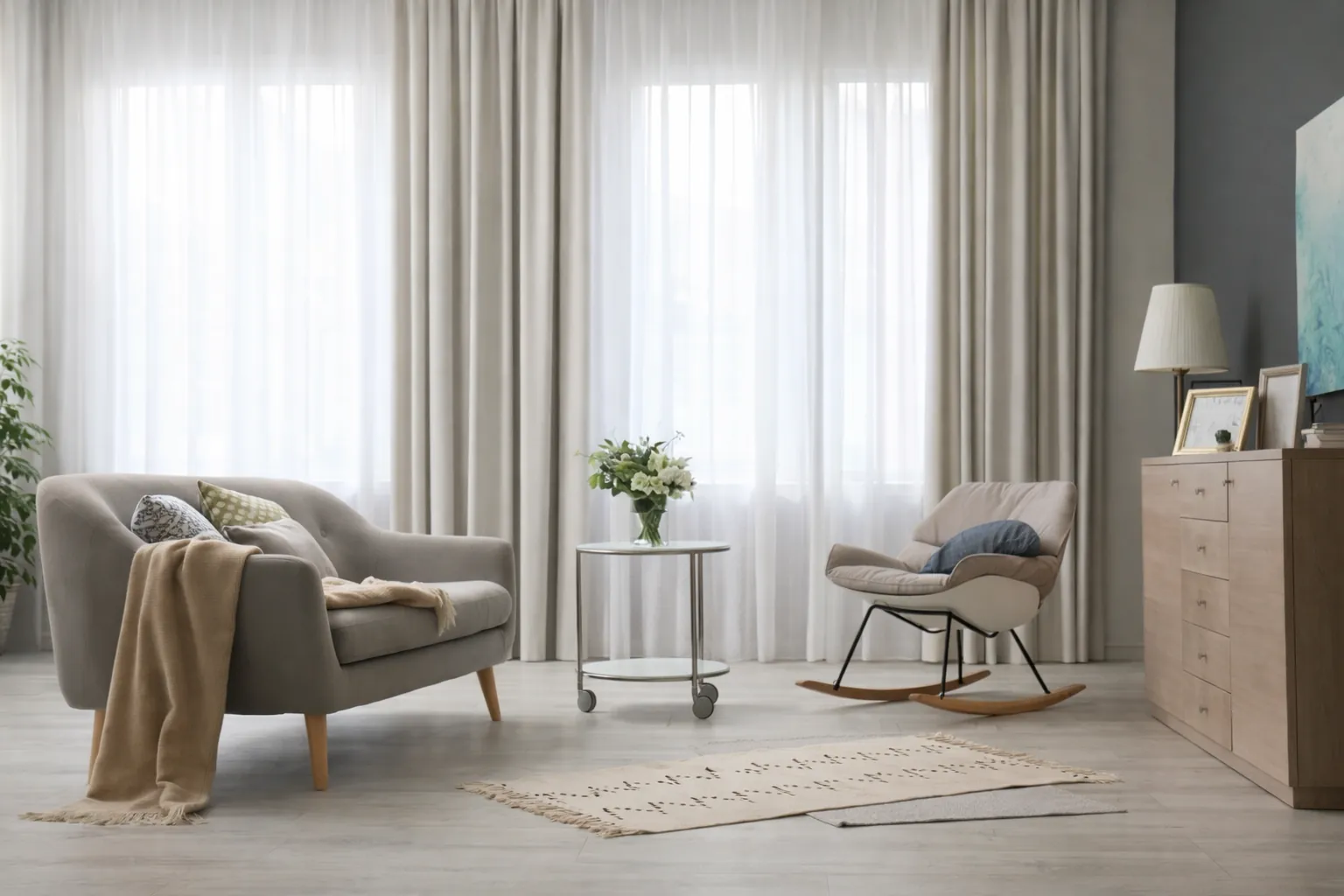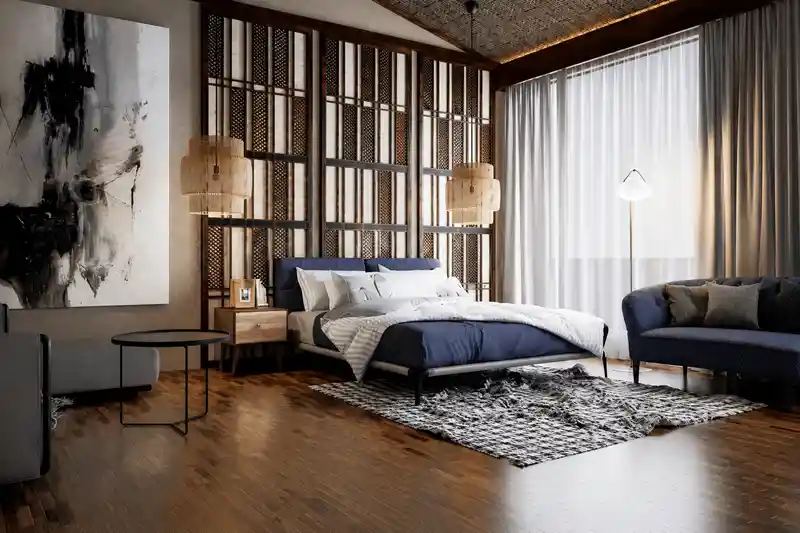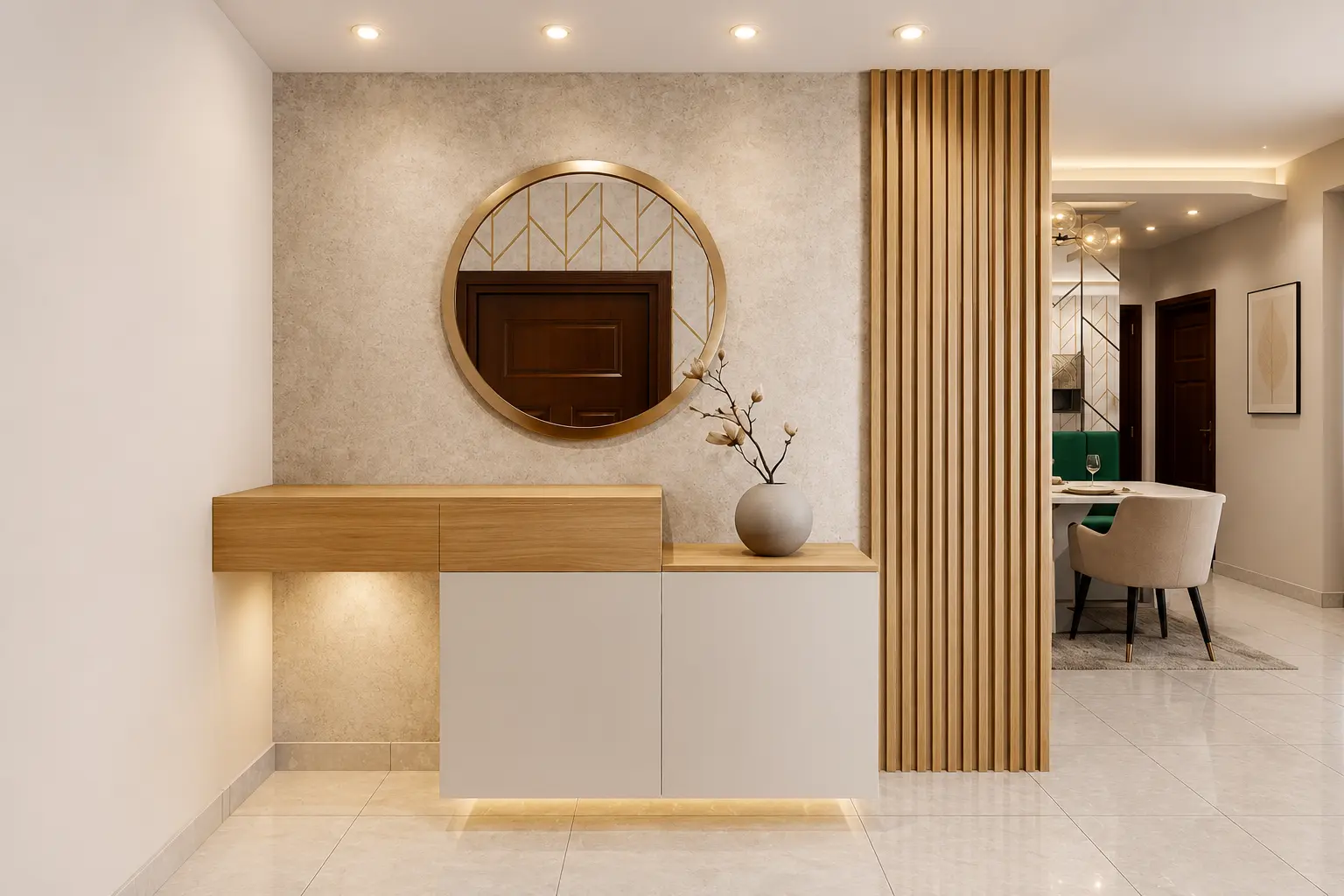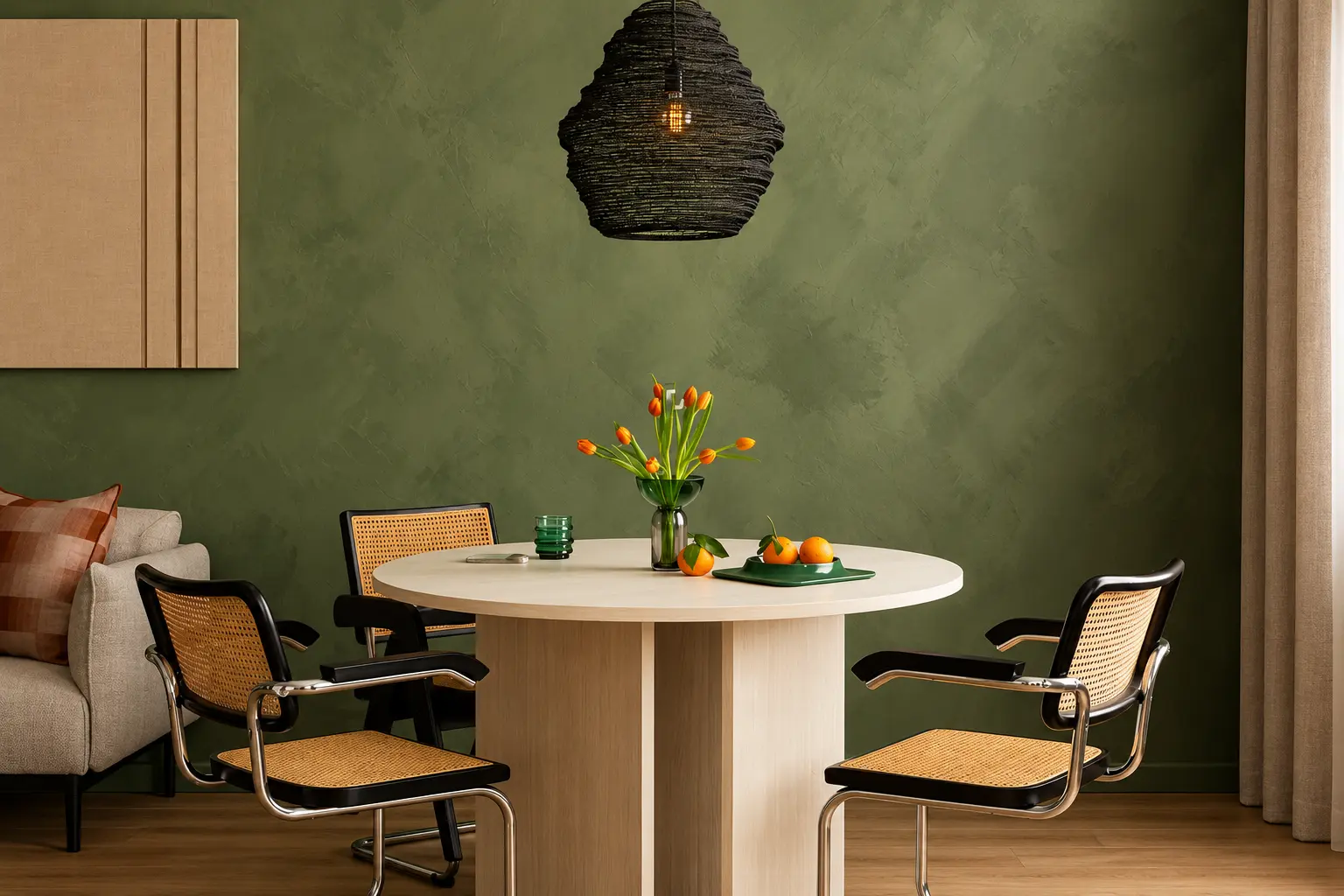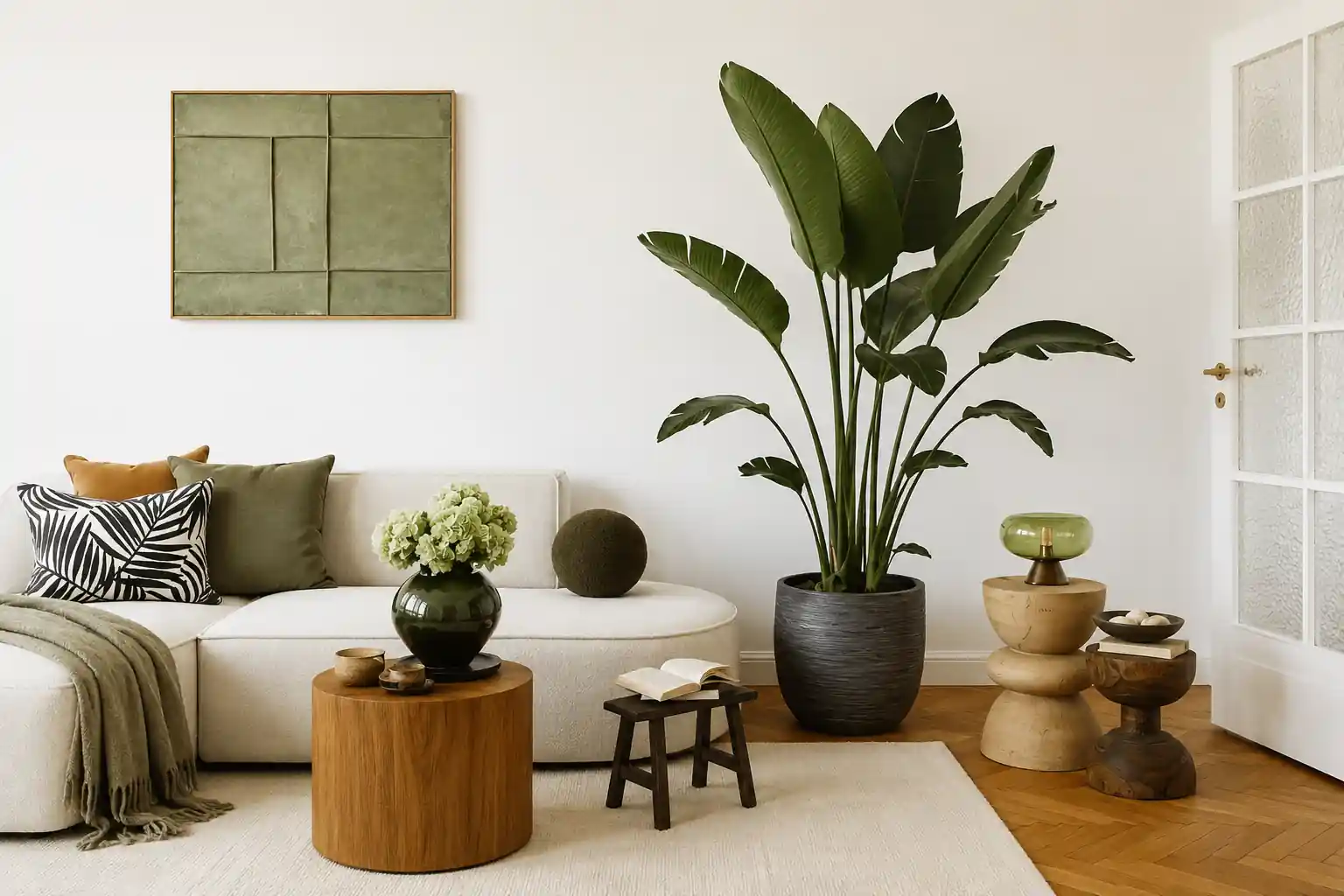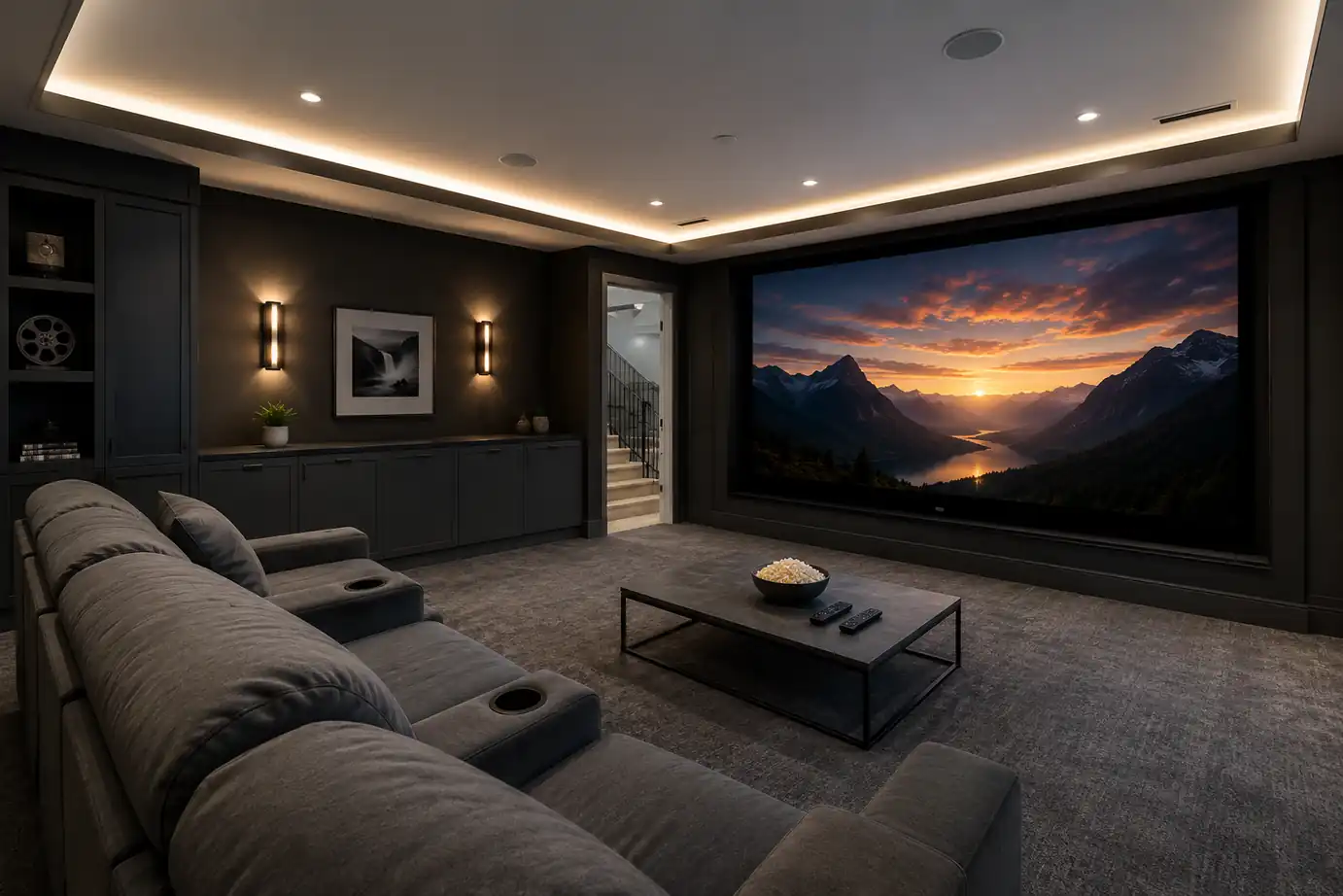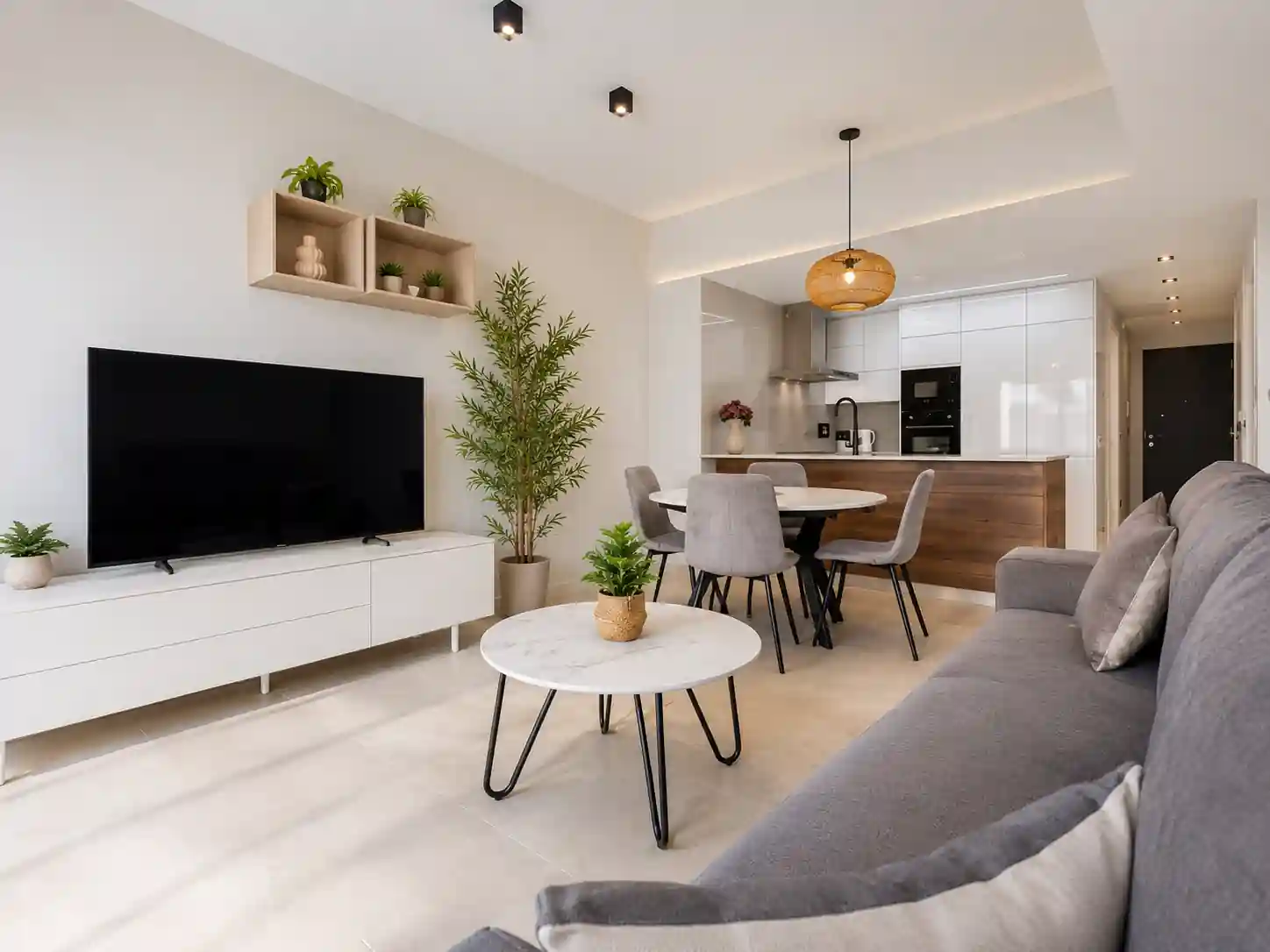
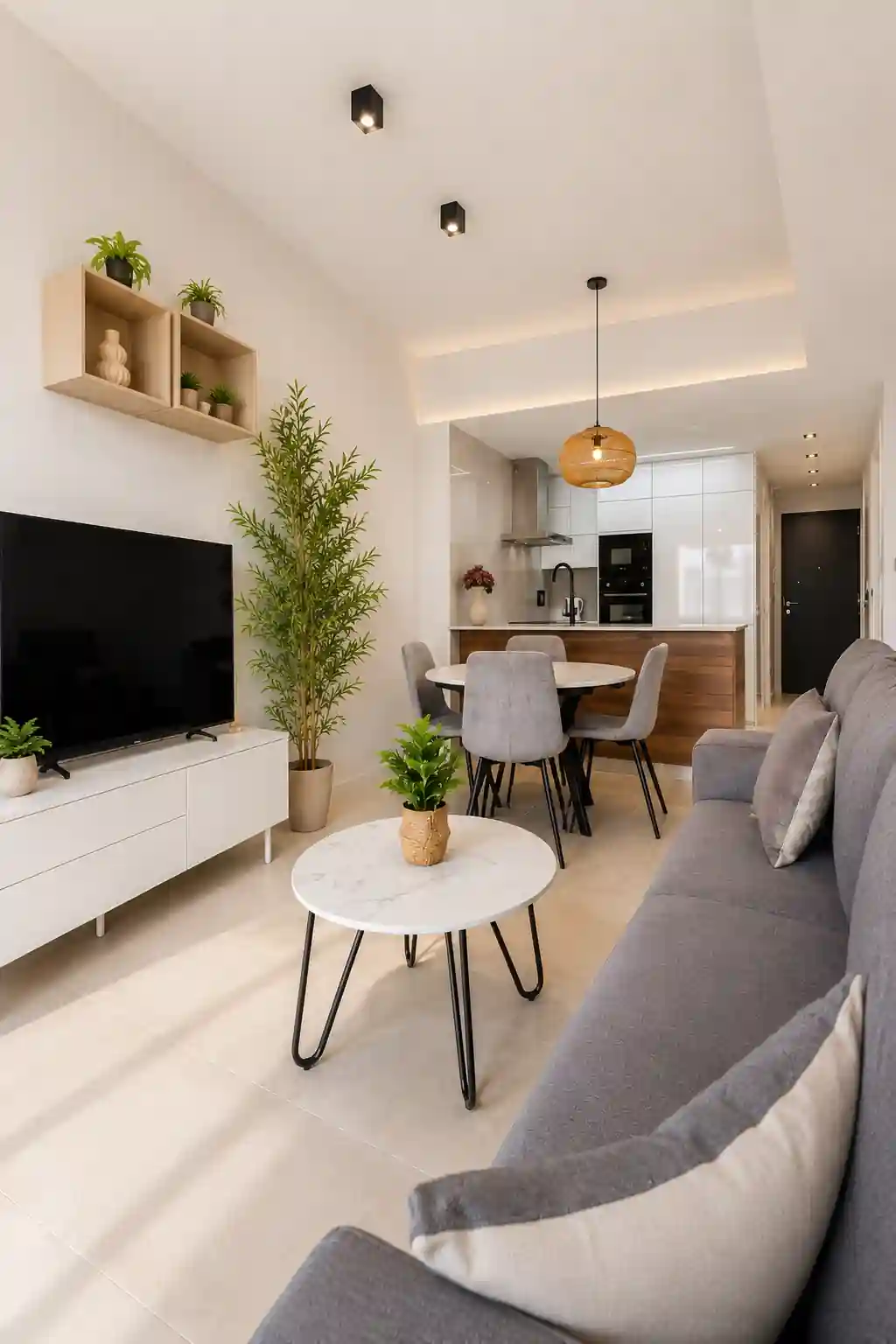



Mumbai homes often come with fixed square footage, lower ceilings, limited ventilation, uneven light, and humidity-related material challenges. Smart small home interior design focuses on making every square foot work harder through multifunctional furniture, vertical storage, climate-appropriate materials, and open-plan zoning.
Mumbai does not give you space, and there is nothing much you can do about that. You cannot change the layout or size of your Mumbai home, but what you can do is design around the constraints.
For most homeowners in 1BHKs and 2BHKs across Andheri, Mulund, Chembur, or Goregaon, the square footage is fixed. The question is never about getting more space. It is about making the space you have work harder. That is what good small home interior design actually solves.
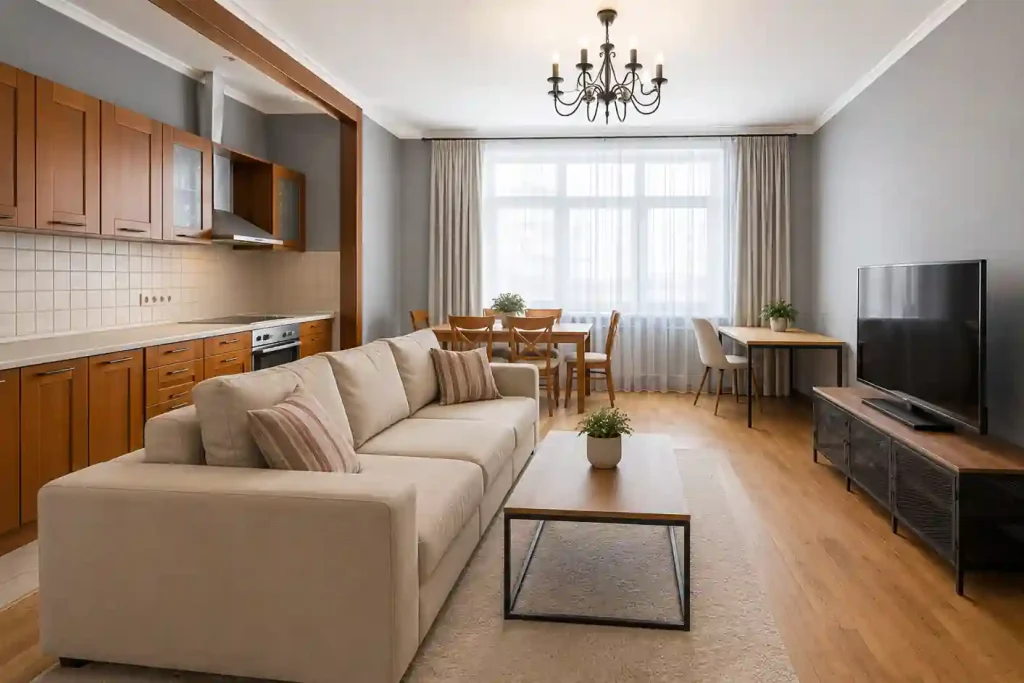
Before jumping to solutions, it helps to name the specific problems. Mumbai apartments come with a particular set of constraints that are different from compact homes elsewhere.
Ceiling heights in buildings constructed post-2005 tend to be lower. Natural light is uneven, heavily dependent on which floor you are on and which direction your windows face. Ventilation is often limited to two or three openings, and cross-ventilation is a luxury that most layouts do not support. Add to that the humidity that peaks between June and September, and certain material choices simply stop being viable.
Small home interior design ideas that work in a Delhi apartment or a Bangalore independent house do not always translate here. The solutions need to be calibrated for Mumbai’s specific building typologies.
In a compact apartment, every piece of furniture occupies floor space that you cannot spare. The question to ask before buying anything is: Does this do one thing or more than one?
Furniture ideas that consistently earn their place in a small home design include:
The principle followed by the best interior designers in Mumbai is consistent: if a piece of furniture only does one thing, it needs to do it exceptionally well to justify the floor space.
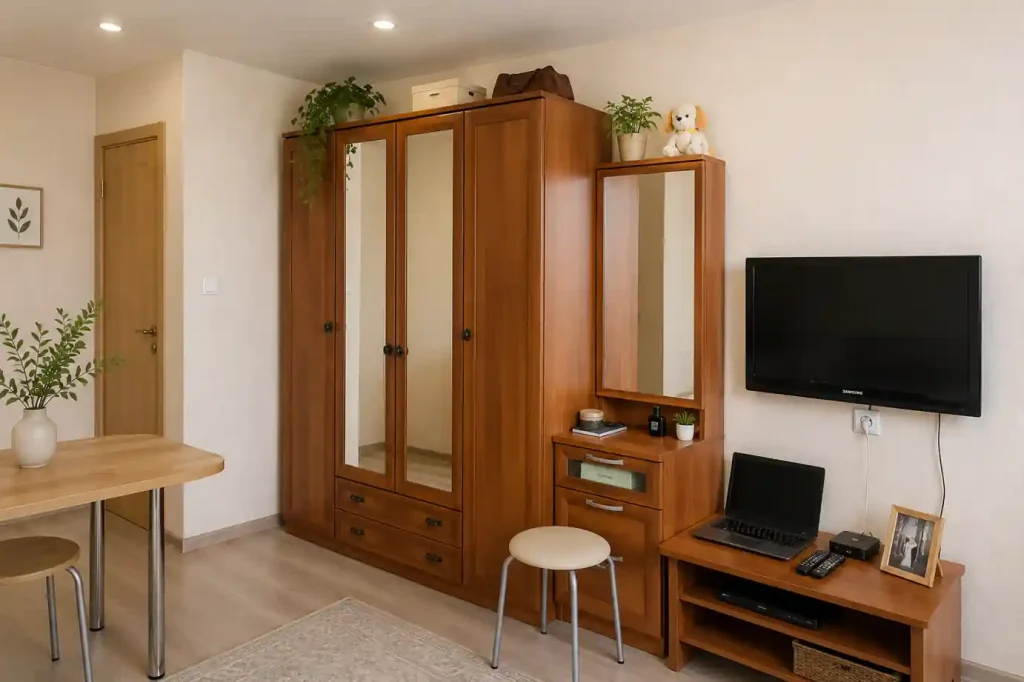
Most homeowners in compact apartments think horizontally. They plan furniture along walls, arrange the floor plan, and stop there. The space above eye level, from roughly 1.8 metres upward to the ceiling, is almost always left unused.
Small house interior design that works well uses this zone deliberately:
Building vertically does not make a room feel more cluttered. Done with consistent materials and finishes, it makes the room look more resolved.
In a 1BHK or a compact 2BHK, open-plan layouts are often necessary rather than optional. The living, dining, and kitchen occupy a single continuous space. The challenge is making each area feel defined without physically dividing them.
Interior design for small apartments in Mumbai addresses this through zoning rather than partitioning:
Even a modest rug under the sofa and coffee table creates a distinct territory within an open floor plan.
A pendant light over the dining table, different from the ambient lighting in the living area, defines the dining zone without any physical intervention.
A sofa with its back to the dining area creates separation. An open bookshelf used as a low room divider between the living room and a study corner achieves the same effect without blocking light or air.
A kitchen finished in a different tile from the living room creates a natural boundary even in completely open plans.
These techniques give a compact apartment the feeling of a home with distinct rooms, without the floor area cost of actual walls.
This is a practical consideration that small home interior design briefs frequently overlook. Mumbai’s humidity is not just uncomfortable for its residents. It actively damages certain materials over time.
What works:
Standard commercial ply warps and swells in high humidity, especially in kitchens and bathrooms.
It handles moisture movement better and is more dimensionally stable across seasons.
Brass and iron hardware corrode faster in coastal areas, including most of South Mumbai and the western suburbs near the sea.
Matt finishes are harder to maintain in humid conditions; a soft-sheen or satin finish is more practical.
For apartments in Bandra, Worli, or Colaba where sea air adds a corrosive element, material selection deserves more attention than it typically gets.
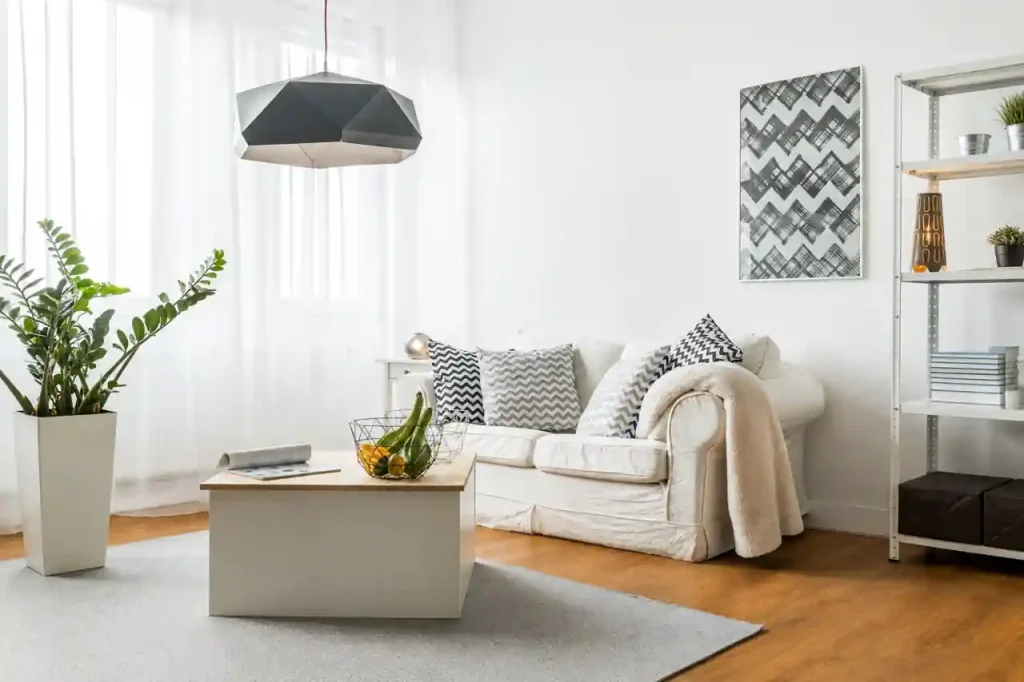
Small home interior design works best when it is built around specific routines rather than generic space-saving principles.
Bonito Designs approaches interior design for every small home in Mumbai with this specificity. With our Life Design philosophy, the design process begins with understanding how the household actually uses the space across a typical week, not just what the apartment looks like on a floor plan.
In-house execution and ISO-certified processes ensure that storage solutions, material choices, and layout decisions are delivered accurately, without the gaps that arise when small home interior design and execution are handled separately.
A compact apartment and a well-designed home are not mutually exclusive. Small home interior design in Mumbai is a discipline that rewards specificity: knowing the building, knowing the layout, knowing the family, and making decisions that reflect all three.
If you are ready to redesign your Mumbai apartment and want it to work as hard as the city you live in, book a consultation with Bonito Designs today.